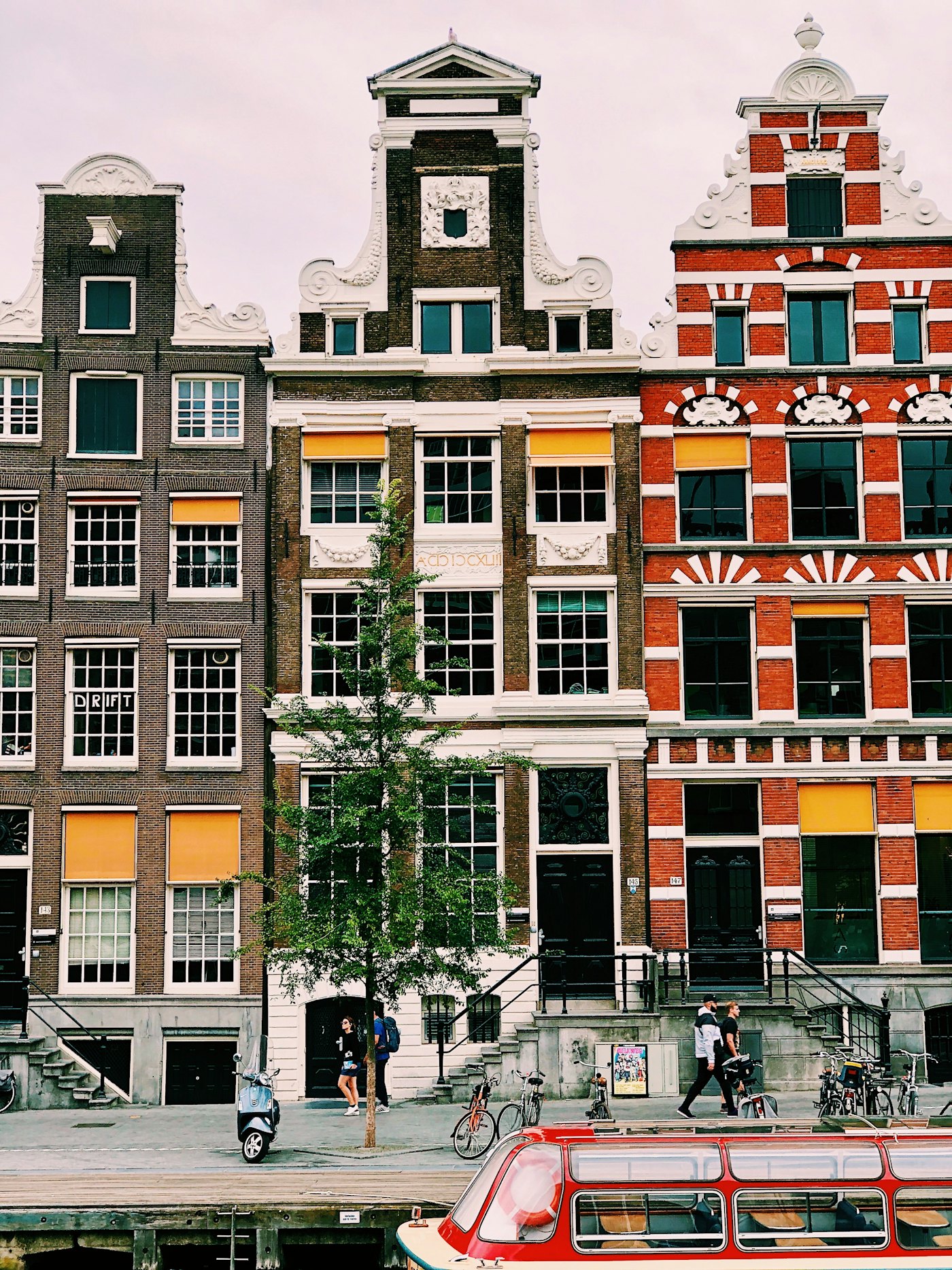
Finding housing in Amsterdam is genuinely hard, and it is worth saying plainly rather than softening it. The city has a structural shortage in the affordable and mid-range segments, competition for each listing is intense, and the rules changed materially in 2024 in ways the market is still absorbing.
None of that makes it impossible. It does mean that the people who succeed are usually the ones who understood the system before they started looking, had their paperwork ready, and knew which listings were worth chasing. This guide covers the market structure, what things cost, how to apply, the scams that target newcomers, and the rights you have once you are in.
How the market is structured
Dutch housing splits into three sectors, and knowing which one you are in determines almost everything else.
Social housing (sociale huur) is regulated stock at below-market rents, allocated by waiting list through Woningnet. Amsterdam waits typically run eight to fifteen years. For a new arrival this is not a route, however often it is mentioned.
The free sector (vrije sector) is market-rate private rental and is where nearly all expats will be looking.
Owner-occupied housing is a real option sooner than many expect — see our mortgage guide — but requires cash for closing costs and settled employment.
The 2024 Wet betaalbare huur extended rent regulation into part of what was previously free sector. Dutch rents are scored on a points system (woningwaarderingsstelsel) reflecting size, facilities and energy label; below a points threshold, the property is regulated and the landlord cannot legally charge market rent. The effect has cut both ways: stronger protection for tenants in mid-range homes, and some landlords withdrawing stock or selling, tightening supply further.
The practical upshot for you: the rent you are being asked for may not be lawful. If a property looks small or poorly rated for the price, its points score is worth checking — the Huurcommissie publishes the tool, and rent can be challenged after you move in.
What you will pay
A free-sector one-bedroom in a reasonable Amsterdam location runs roughly €1,400–€2,200 per month in 2026, with De Pijp, the Jordaan and Oud-West at the upper end. Our cost of living guide sets this against other Dutch cities, and the gap is large enough that plenty of people working in Amsterdam choose to live outside it.
Be precise about what the rent includes. Kale huur is bare rent; servicekosten cover shared costs and are charged on top; utilities may or may not be included. A listing quoting inclusief is not comparable with one quoting exclusief, and the difference can be a couple of hundred euros a month.
Then there is what "unfurnished" means, which genuinely shocks people. Dutch kaal (bare) can mean no flooring, no light fittings, and sometimes no kitchen appliances. Gestoffeerd includes flooring and curtains; gemeubileerd is furnished. Budget accordingly, and inspect before assuming.
Where to look, and how fast to move
The main platforms are Funda and Pararius for whole properties, and Kamernet for rooms and shared housing. Letting agencies list on the same sites. Facebook groups for expats in Amsterdam circulate listings too, with correspondingly higher scam risk.
Speed is the differentiator. Desirable free-sector listings are frequently gone within a day or two, and viewings are often group affairs where the agent collects applications from everyone attending. Set up alerts, respond within the hour, and have your document pack already assembled. People who lose out are rarely outbid on money — they are usually simply slower.
What you need to apply
Assemble one PDF before you view anything: passport or ID, employment contract, recent payslips, and where possible a landlord reference. Many landlords apply an income rule of thumb requiring gross monthly income around three to four times the rent, which at €1,800 rent implies roughly €5,400–€7,200 a month.
New arrivals without Dutch income history are at a structural disadvantage here. Options that help: a signed employment contract even before your first payslip, an employer letter confirming salary and start date, a guarantor, or an offer of several months' rent up front. If you hold the 30% ruling, present your gross salary rather than the taxable figure, since that is the number the income multiple is usually applied to.
Agency fees and rental scams
Since 2023 the "no double commission" rule prohibits an agency acting for the landlord from also charging the tenant a fee. If an agency found the property for the landlord, you should not be paying them a mediation fee. Some agencies still try, and it is worth pushing back.
Scams targeting newcomers are common and follow a recognisable pattern: an attractive property well below market rent, a landlord who is conveniently abroad, pressure to transfer a deposit to secure the viewing, and a plausible reason keys must be sent rather than handed over. The rules that keep you safe are simple — never transfer money before viewing the property in person and verifying the landlord's identity, be sceptical of any price meaningfully below market, and do not let urgency override the first two.
Registration: check before you sign
You must register at your address with the gemeente within five days of moving in, and that registration is what unlocks your BSN, health insurance, and essentially all Dutch administration. Our gemeente guide covers the appointment itself.
Some landlords — particularly in short-stay and some sublet arrangements — do not permit registration, and a tenancy where you cannot register leaves you administratively stranded. Confirm registration is allowed before signing, in writing. Listings that permit it often say inschrijving mogelijk. Treat its absence as a question to ask, not a detail to discover later.
Deposits, inspections and getting your money back
Deposits are commonly one to two months' rent. Recent legislation has constrained how large they may be and how quickly they must be returned after tenancy ends.
The reliable protection is evidence. At move-in, complete a written inspection report (opnamestaat) with the landlord and photograph everything, timestamped, including existing damage and meter readings. Deposit disputes turn almost entirely on whether you can show the condition you received the property in. Do the same on the way out.
Your rights as a tenant
Dutch tenants are well protected once installed. On an indefinite contract, eviction without legal cause is difficult, and rent increases are constrained. Fixed-term contracts of two years or less exist in the free sector but have been narrowed by recent reform, with indefinite contracts now the default in more situations than before.
The Huurcommissie (Rent Tribunal) is the key institution to know. It is a free, low-friction arbitration service handling disputes over rent level, maintenance failures, service charges and deposits, and it can rule that your rent exceeds what the points system permits — including ordering reductions. Tenants routinely do not realise they can challenge a rent they already agreed to.
Municipalities also run housing advice services, and Amsterdam has tenant support organisations offering free guidance. If something feels wrong in your contract, it is worth an hour of free advice before signing.