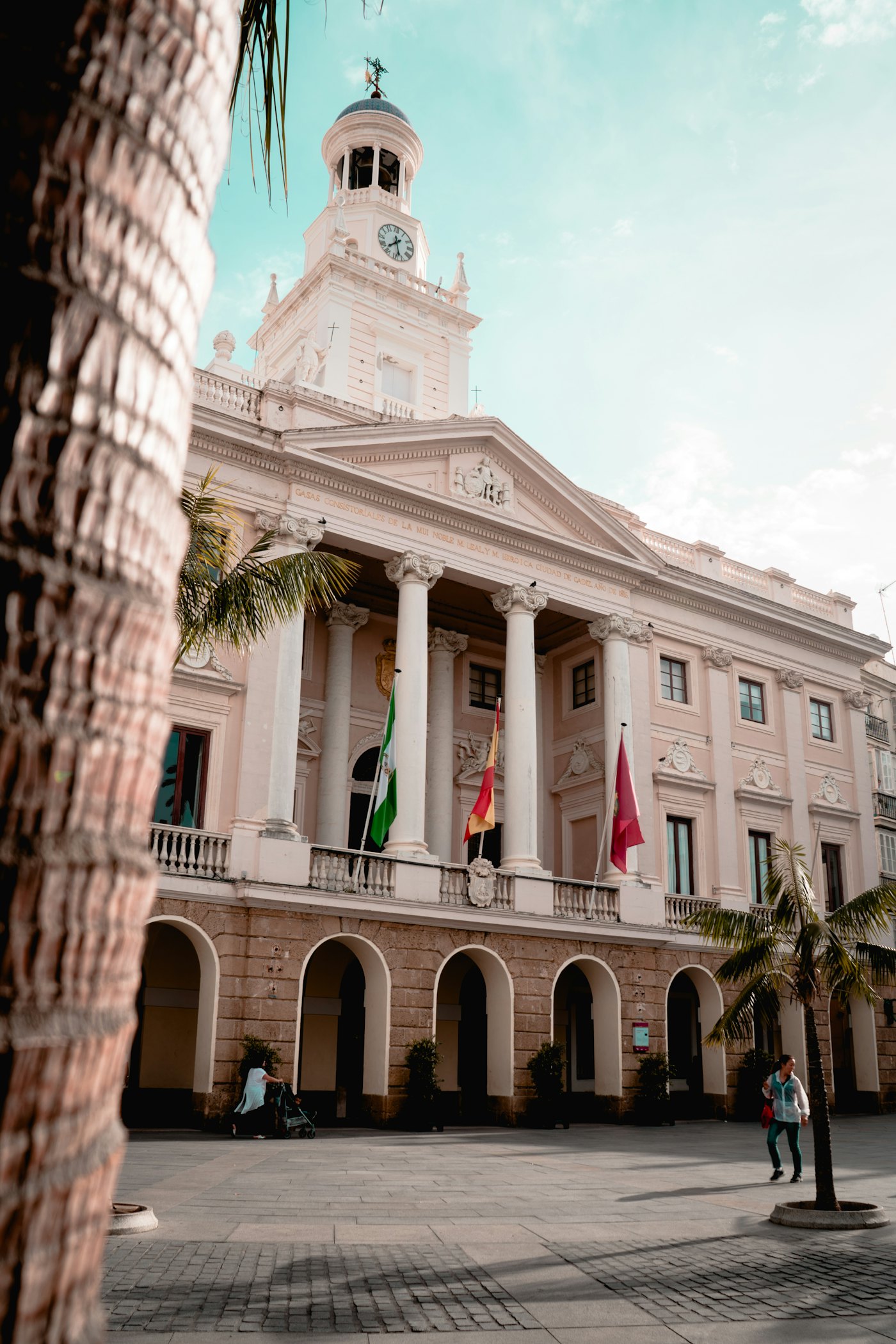
Registering at your local gemeente (municipality) is the single most important administrative step in setting up your life in the Netherlands. It triggers your BSN, makes you visible to the tax authority, allows you to take out health insurance, and unlocks essentially every other government service. The process is not difficult, but the rules around it are stricter than most newcomers realise — particularly the five-day deadline for new arrivals.
BRP or RNI: which register you belong in
Before anything else, work out which of two registers applies to you, because the whole process differs.
The BRP (Basisregistratie Personen) is the register of residents. You belong in it if you are staying longer than four months, and this is what people mean by "registering at the gemeente." It gives you a BSN, an official Dutch address, and access to essentially everything.
The RNI (Registratie Niet-Ingezetenen) is the register of non-residents. If you are staying less than four months — a short posting, seasonal work, a project — you register here instead, at one of a limited number of designated RNI municipalities. You still get a BSN, which is enough to be paid and taxed, but you do not get a registered Dutch address, and that limits what you can do: opening some bank accounts, arranging certain insurance, and other address-dependent administration become harder.
People sometimes register in the RNI intending a short stay and then remain. If your plans change and you cross four months, you need to move to BRP registration — it does not happen automatically.
The five-day rule
If you are moving to the Netherlands and will stay longer than four months, Dutch law requires you to register at your gemeente within five days of arriving. If you are an EU/EEA citizen, the deadline is sometimes interpreted as five days from when you have a stable Dutch address. For non-EU nationals with a residence permit, it is more strictly five days from arrival. In practice, gemeenten cannot always provide an appointment within five days — but you should request one immediately and be able to demonstrate you tried to comply.
Failure to register on time does not usually result in a fine, but it does mean you cannot legally work, cannot get a BSN, cannot open a Dutch bank account, and cannot register for health insurance. The cascading consequences are severe enough that delay is rarely a good idea.
Booking the appointment
Each gemeente runs its own appointment system. For most cities, you book online at the gemeente's website. Amsterdam uses Amsterdam.nl with its dedicated Expat Center (located at the Stadsloket Centrum, Amstel 1). Rotterdam, The Hague, Utrecht, and Eindhoven all have similar online booking systems. Some smaller municipalities still operate on walk-in or telephone booking.
If you are arriving from outside the EU and need to register at the Expat Center in Amsterdam, you can sometimes book the appointment from abroad before you arrive — this is the fastest path. For other cities, you usually need a Dutch phone number or to book from inside the country.
What to bring
For all registrations: valid passport or, for EU citizens, national identity card; for non-EU nationals, your residence permit (verblijfsvergunning) or the IND letter confirming your application is in progress; proof of address — your rental contract, the keys, and ideally a recent utility bill in your name (you will not have one yet if you just arrived, but the rental contract is enough); a Dutch birth certificate with apostille if you were born outside the Netherlands and are registering for the first time — this is sometimes requested for non-EU nationals or in specific marital/family situations.
If you have children, bring their original birth certificates (with apostille and certified translation into Dutch, English, French, or German). If you are married, bring your marriage certificate (also with apostille and translation). The apostille requirement is universal for documents from countries party to the Hague Apostille Convention; for documents from countries not in the convention, full legalisation is needed instead — this is a longer process to start before you leave your home country.
What happens at the appointment
The appointment itself takes 30–45 minutes. A civil servant verifies your documents, takes your details, photographs your passport, and confirms your address. If everything is in order, you are issued your BSN on the spot — often as a paper certificate, sometimes by mailing it to your address within 5–10 business days, depending on the gemeente.
For non-EU nationals, the gemeente may also collect biometric information (fingerprints, signature) that gets associated with your residence permit. If you have not yet collected your physical residence permit from the IND, this is sometimes done at the same appointment.
The temporary address problem
The biggest practical obstacle to registration is the address requirement. Most gemeenten require a permanent or long-term address — a hotel, an Airbnb, or a friend's spare room is often not accepted. If you are staying with a friend or family member while you find permanent housing, you can sometimes register at their address with their written consent. The form for this is called a verklaring van inwoning and is available on the gemeente website. The host commits that you are genuinely living there, which has tax and benefit implications for them — many landlords (including private friends) are reluctant to sign.
Some short-stay providers (corporate housing, certain Airbnb hosts) explicitly allow registration; this is worth verifying before signing. The Amsterdam Expat Center is somewhat more flexible than other gemeenten about temporary addresses for highly skilled migrants.
After you register
Once registered, your BSN is generated. With the BSN, complete the rest of the setup sequence in this order: take out Dutch health insurance (within four months of arrival), open a Dutch bank account at ABN AMRO or ING (online with BSN takes 1–2 days), apply for DigiD at digid.nl (activation letter takes 5 days), and notify your employer of your BSN so payroll is correctly registered.
Changing address
If you move within the Netherlands later, you must update your registration with your new gemeente within five days of moving — same rule. This is done online via the new gemeente's website using your DigiD. Moving abroad permanently requires emigratie deregistration; this is also done with the gemeente before leaving and is important because it stops Dutch tax residency.
If you have no permanent address yet
The registration requires an address, which creates an obvious problem for anyone still house-hunting — and Dutch rental markets rarely accommodate a five-day timeline. Our Amsterdam rental guide covers why.
Two routes exist. Some gemeenten will register you at a friend's or landlord's address with that person's written consent, provided you genuinely live there. Failing that, a briefadres (correspondence address) can be granted in defined circumstances — it gives you a registration for official mail without asserting you live at that address. Availability varies by municipality and it is not a general-purpose workaround, so ask your specific gemeente rather than assuming.
What you should not do is register at an address you do not actually live at. Address fraud is treated seriously, the person whose address you use may face consequences too, and municipalities do conduct checks.
Moving house, and the same five days again
The five-day rule is not only an arrival rule. Every time you move within the Netherlands you must notify your gemeente within five days — and if you move to a different municipality, you register with the new one, which handles the transfer.
This one is easy to overlook because nothing obviously breaks at first. What follows later is worse: mail from the Belastingdienst, your insurer, and the IND goes to an old address, and "I did not receive the letter" is not a defence against a missed deadline. Most gemeenten now allow an address change online with DigiD, which takes minutes.
Deregistering when you leave
The step almost nobody plans for. If you leave the Netherlands for more than eight months in any twelve, you must deregister (uitschrijven), generally within five days of departure.
Deregistering matters in both directions. Staying registered while living abroad can keep you inside the Dutch tax and health-insurance system, continuing to accrue premium obligations for cover you cannot use. Deregistering carelessly can strand you: it may terminate health insurance, benefits and allowances from that date, and it affects any residence permit or naturalisation clock you have been building. Our citizenship guide explains why continuous registration matters for naturalisation.
Before you go: settle your final tax return, keep a Dutch bank account open until refunds land, and give the Belastingdienst a forwarding address.
Common document problems
Almost every delayed registration traces to paperwork, and almost always to the same three issues. Apostilles take longer than expected — start birth and marriage certificate legalisation before you leave your home country, not after you arrive. Translations must be by a sworn translator; an ordinary translation is routinely refused. And name discrepancies between passport and certificates — transliteration differences, patronymics, married names — need resolving with the issuing authority, which is slow from abroad.
If a document genuinely cannot be obtained, gemeenten can sometimes accept a sworn statement instead, but this is discretionary and much smoother if you raise it before the appointment rather than at the desk.