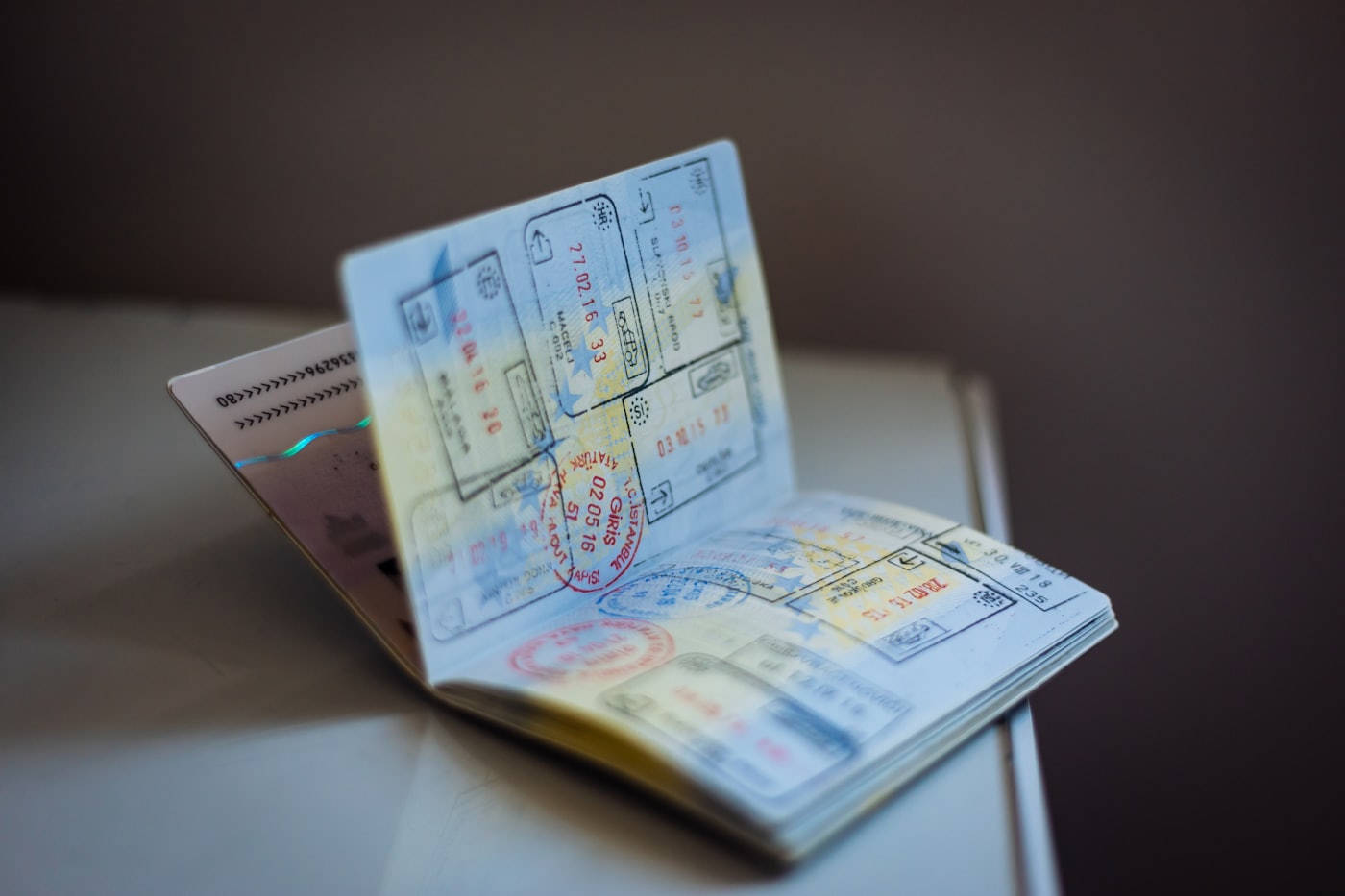
The BSN — Burger Service Nummer, or Citizen Service Number — is a unique nine-digit identification number assigned to everyone who registers as a resident in the Netherlands. It functions as your personal identifier across the entire Dutch government and public sector. Without it, you cannot work legally, receive healthcare, open a bank account at most Dutch banks, file taxes, or set up essential utilities. Getting one quickly is one of the most important things you can do in your first weeks in the Netherlands.
Who needs a BSN
Everyone who lives or works in the Netherlands needs a BSN. This includes EU and EEA citizens, non-EU nationals on work or residence permits, and even people working here temporarily for periods over three months. If you are going to be in the Netherlands for less than three months and are not working, you may not need to register — but for anyone coming to live and work here, registration is mandatory.
How to get a BSN: the standard route
The standard route to getting a BSN is to register with your local gemeente (municipality) at their Burgerzaken (civil affairs) desk. To do this, you need a permanent address in the Netherlands where you are actually living. You will need to make an appointment — walk-in service is typically not available. At the appointment, you present your passport or national ID card (for EU citizens) and proof of your address (your rental contract, or a declaration from the person you are staying with). The BSN is typically assigned at the appointment or mailed to you within a few days.
The problem with temporary housing
The BSN registration process assumes you have a stable address. If you are in temporary accommodation — an Airbnb, a hotel, or staying with a friend — your options are more limited. Some municipalities will register you at a temporary address if the accommodation provider provides written permission. Others will not. Amsterdam has a dedicated Expat Center (at the Amstel 1 address) that handles registrations for internationals and is generally better equipped to handle edge cases than a standard Burgerzaken office. If you are in Amsterdam, this is your first port of call.
The non-resident route (for short-term workers)
If you are working in the Netherlands but not residing here permanently — for example, you are a cross-border worker living in Belgium or Germany — you can obtain a BSN through the Belastingdienst's dedicated RNI (Registration of Non-Residents) desk rather than through the gemeente. There are 19 RNI municipalities across the Netherlands with dedicated RNI desks. An appointment is required.
What to bring to your appointment
For EU citizens: valid passport or national identity card, proof of address (rental contract or a written declaration from your host), and if applicable, your employment contract. For non-EU nationals: valid passport, your residence permit (verblijfsvergunning) or the IND letter confirming your permit application is in progress, and proof of address. Some municipalities also ask for an apostille-stamped birth certificate, particularly if you are registering family members, but this is not universal.
After you receive your BSN
Once you have your BSN, do the following in quick succession: open a Dutch bank account, register for health insurance (mandatory within four months of arrival), apply for DigiD, and if relevant, check whether you qualify for the zorgtoeslag health allowance. The BSN is the foundation everything else rests on — once you have it, the rest of the Dutch administrative machinery becomes much more accessible.