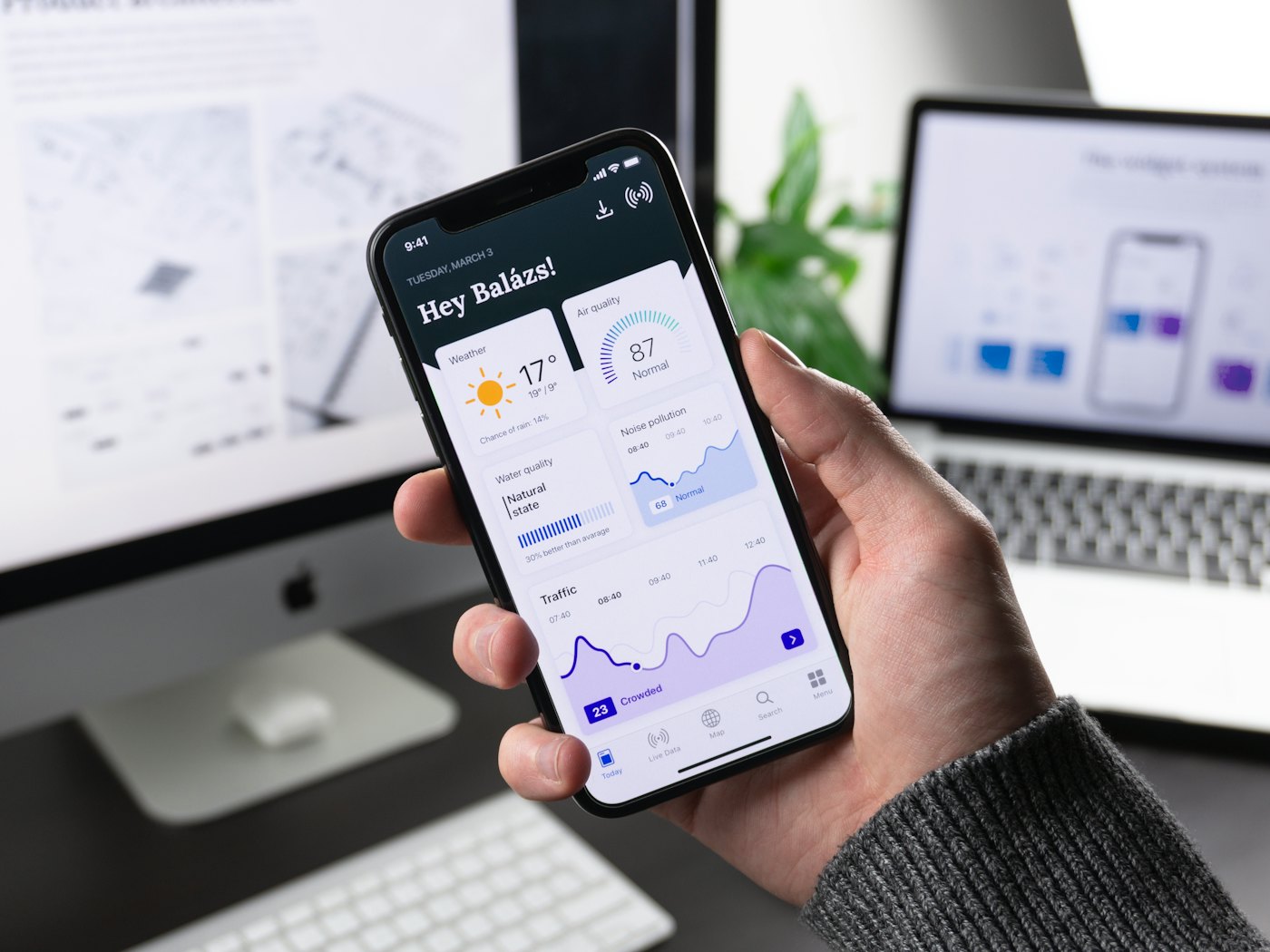
Digital banks have transformed personal finance across Europe, and the Netherlands is no exception. Bunq, N26, and Revolut all have significant user bases among expats in the Netherlands, drawn by their easy onboarding, low fees, and slick mobile apps. But the question of whether they can fully replace a traditional Dutch bank account — ABN AMRO, ING, or Rabobank — is not a simple yes or no.
Bunq: the Dutch digital bank
Bunq occupies a unique position because it is actually a Dutch bank, licensed and regulated by De Nederlandsche Bank (DNB). This means bunq accounts come with genuine Dutch IBANs in the NL format. In practice, this matters enormously. Dutch employers, landlords, and government agencies all process payments smoothly with Dutch IBANs. If you use bunq as your primary account, you are unlikely to encounter the IBAN rejection problems that sometimes affect N26 and Revolut users.
Bunq's plans start at €3.99 per month for the Easy Bank plan, which includes a Dutch bank account, a debit Mastercard, and the core app features. Their app is well-designed, with features like multiple sub-accounts (called "pockets"), instant notifications, and detailed spending breakdowns. The higher-tier plans add features like cashback, travel insurance, and a metal card. For many expats, bunq is genuinely sufficient as a primary account.
N26: a European bank, not a Dutch one
N26 is a German bank (licensed by BaFin, the German financial regulator) with a European banking licence that allows it to operate across the EU. N26 accounts come with German IBANs (DE prefix). In theory, all EU IBANs must be accepted under EU law. In practice, some Dutch landlords and employers — particularly smaller companies or private individuals — will refuse non-Dutch IBANs or struggle to process them.
The free N26 Standard account has no monthly fee but limits you to five free ATM withdrawals per month. The paid tiers (N26 Smart, N26 You, N26 Metal) add features and higher withdrawal limits. N26 is a reasonable supplementary account — good for travel and for keeping expenses separate — but most expats who rely on it as their only account eventually encounter friction and end up opening a Dutch account alongside it.
Revolut: powerful but not a full bank
Revolut is the most feature-rich of the three, offering currency exchange at near-interbank rates, cryptocurrency trading, stock trading, and a wide range of subscription tiers. However, Revolut operates under a Lithuanian banking licence for its EU customers, which means European IBANs with an LT prefix. The same IBAN friction issues that affect N26 users apply here, often more acutely, since Revolut's Lithuanian registration is less familiar to Dutch payment processors.
The free Revolut Standard account is genuinely useful for international transfers and currency exchange — the rates are far better than any traditional Dutch bank. But as a day-to-day Dutch account, it falls short of bunq or the big three.
The practical verdict
If you want to go entirely digital, bunq is the only one of the three that can realistically serve as your sole Dutch bank account, thanks to its Dutch IBAN and DNB licence. N26 and Revolut are best treated as complementary tools — excellent for travel, currency exchange, and keeping spending money separate, but not ideal as primary accounts in the Netherlands.
The combination that works well for many expats is: a traditional Dutch bank (ABN AMRO or ING) as the primary account for salary and rent, plus Revolut or N26 for international transfers and travel. This keeps the friction low while capturing the fee savings of digital banking where it matters most.