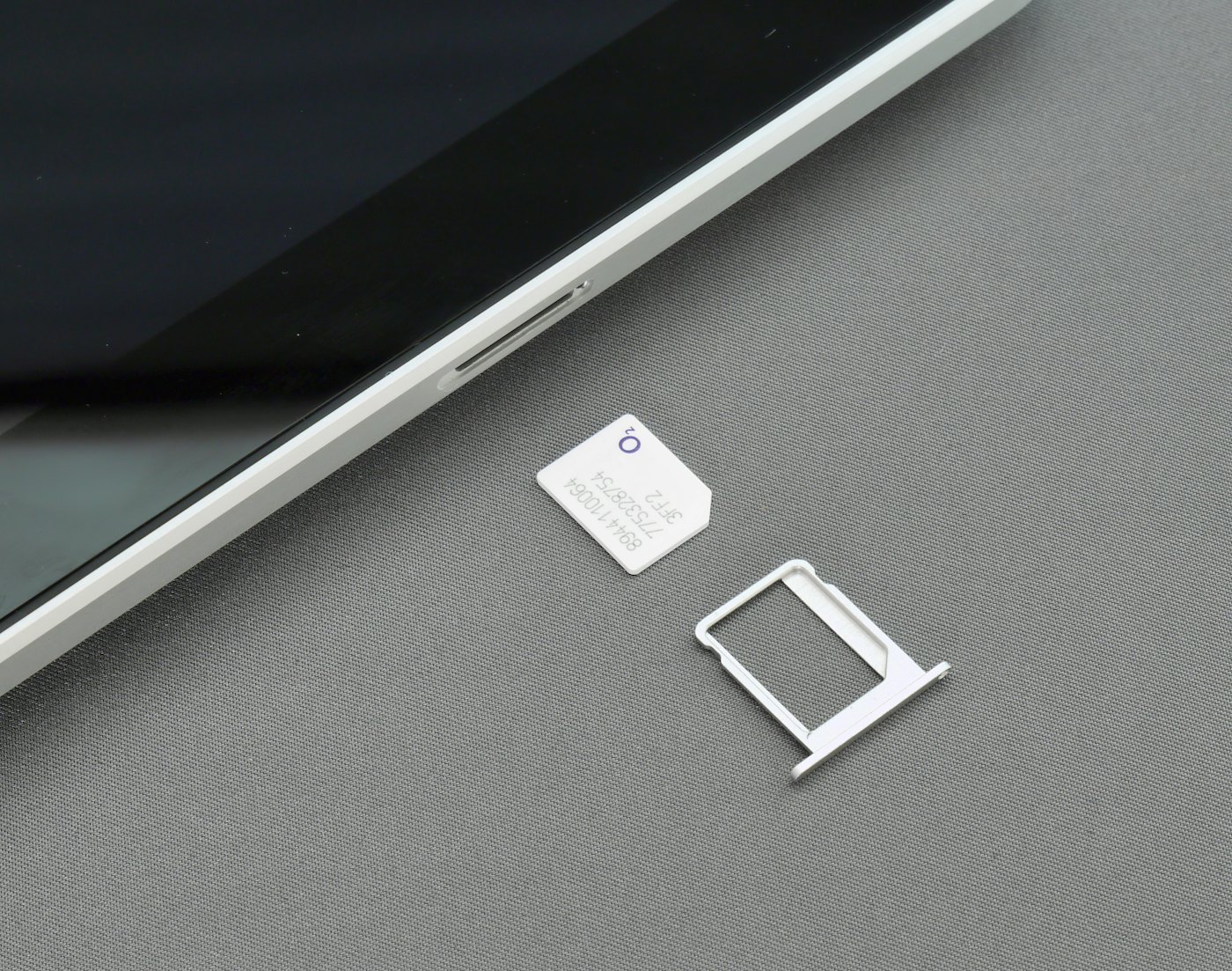
The Netherlands has one of the best mobile network infrastructures in Europe. Coverage is near-universal — 5G is available in most cities and many rural areas — and prices are competitive, particularly compared to countries like Ireland or Belgium. For expats, the main practical questions are: do you need a SIM-only plan or a handset contract, which network is best for your usage pattern, and can you get a contract without a long Dutch credit history?
The main networks
There are three physical networks in the Netherlands: KPN, T-Mobile (which absorbed Tele2), and Odido (formerly T-Mobile Netherlands' rebrand, which can be confusing — check what network a sub-brand actually uses). All three have strong coverage nationally. KPN has a slight edge in rural and suburban coverage, while T-Mobile and Odido are competitive in urban areas. Most virtual operators (MVNOs) in the Netherlands run on one of these three networks.
SIM-only options
SIM-only plans are significantly cheaper than handset contracts and make more sense for most expats who already have a phone. Key options include Ben (runs on T-Mobile, affordable plans starting around €10/month for basic data), Lebara (good for international calling, popular with expats who call home frequently), Youfone (KPN network, solid mid-range plans), and Simyo (KPN network, flexible plans with no contract commitment). For higher-end plans with more data and 5G, KPN, T-Mobile, and Odido's own direct plans offer packages starting from around €15–€30/month for 20–unlimited GB of data.
Prepaid options for new arrivals
When you first arrive and are waiting for a permanent address and a BSN, a prepaid SIM (prepaid kaart) is the easiest solution. KPN, T-Mobile, and Odido all sell prepaid SIMs at supermarkets, phone shops, and airports. They work immediately and require no contract or Dutch documents. Once you are settled, switching to a monthly subscription is straightforward and usually offers better value.
International calling
If you regularly call landlines or mobiles in your home country, Lebara is worth particular attention. They specialise in international calling plans and offer competitive rates to a wide range of countries. Many calls to EU countries are also included at no extra cost under EU roaming regulations on plans from any Dutch operator.
What to watch for in contracts
Monthly contracts (maandelijks opzegbaar) are common in the Netherlands and are a good choice if you are not sure how long you will be in the country. Longer commitments (12 or 24 months) typically offer a lower monthly price. Most operators allow online management of your plan in English, though their customer service may be primarily Dutch-language. Coverage maps are available on each operator's website — worth checking against your home and work postcodes before committing.
eSIM availability
Most major Dutch operators now support eSIM, which is convenient for people who arrive with an unlocked phone and want to avoid buying a physical SIM. KPN, T-Mobile, and Odido all offer eSIM activation online. This is increasingly the fastest way to get connected on arrival.